| Technology
|
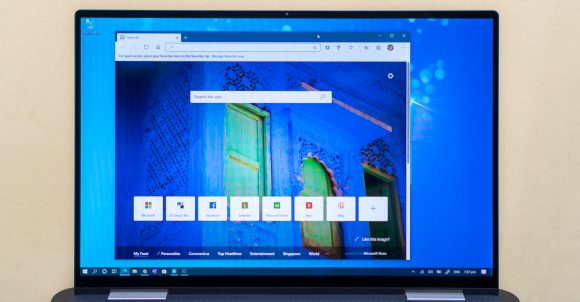
Microsoft's new browser has overtaken Firefox. | This is the year that Microsoft’s new Edge browser finally takes off. After a major shift in its code-base in September last year, then coming out of beta January ...
| Technology
|
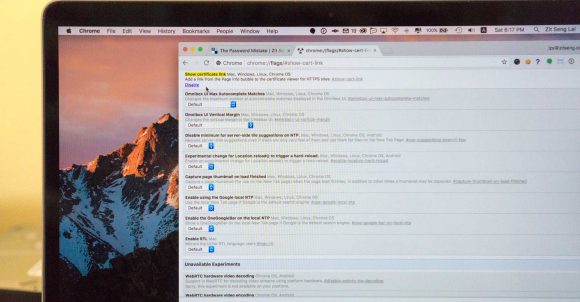
I am cautious about my secure browsing. One thing I do is that from time to time, I’ll click on the Secure button in the Chrome location bar to check on the SSL certificates of the HTTPS websites I visit. I was really ...
| Technology
|
Every new day, there’ll be a new security vulnerability. Often enough, it will be something important that even casual computer users ought to know about. This is one of them. If you’ve been taught to check ...
| Technology
|
Our computers, and IT in general, are fraught with all sorts of security issues. Every day, I read about something or other that will give rise to concerns. Most of the time, they don’t demand immediate action from casual ...
| Technology
|
The IT industry has grown and flourished because of standards. Standards enable people to work together, enabling products to interoperate, allowing large solutions to be built from smaller parts, giving customers choices, ...
| Technology
|
Apple introduced the Retina display with the iPhone 4 in 2010. It was a very nice display. Other manufacturers soon adopted Retina resolution in their products. It’s no surprise, since everyone wants to compete with better ...
| Technology
|
Microsoft Windows XP will reach the end of its support life on 8 April 2014. It’s under two weeks to go. No, Windows XP will not stop working after that day, nor will the world grind to a halt. But many people have voiced ...
| Technology
|
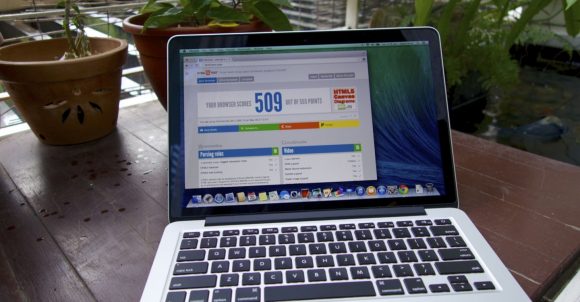
It’s time to look at and compare browsers again. OS X Mavericks was just released last week, and along with all the OS improvements to help improve energy efficiency, there’s also a spanking new version of the Safari ...
| Technology
|
I’m finally beginning to consider making the switch to Chrome as my default web browser. Chrome isn’t new. But when it first appeared in 2008, it was for Windows only, so I couldn’t run it on my Mac. Developer ...
| Technology
|
The browser wars are heating up. As some of you might know, the European Commission has mandated that PC users are given a choice over which web browser gets installed in their computers. Statistics from a trial currently ...